
adisoft
WHAT IS A GAME COMPANY? A COMPLETE GUIDE TO GAME DEVELOPMENT FROM IDEA TO LAUNCH - ADISOFT
A game company creates and publishes games, focusing on original IP—from strategy and design to live operations—delivering seamless player experiences.

Published on
May 20, 2026
Share this story:


What Is a Game Company? A Complete Guide to Game Development from Idea to Launch
The gaming industry is a key driver of the global digital economy. As technology and creativity converge, games are no longer just entertainment they’re a powerful force in the creative economy, powered by software innovation and intellectual property (IP). Today, success in the gaming market is not defined by visuals alone. What truly matters is player experience, system stability, and long-term engagement especially in a highly competitive global landscape.
Summary
- A game company is an organization that develops and manages video games, covering both development (developer) and publishing (publisher).
- Game development combines engineering and art to create interactive digital worlds across platforms.
- The process typically includes concept creation, GDD planning, prototyping, production, QA testing, and launch.
What Is a Game Company?
In the digital entertainment industry, a game company is responsible for creating, producing, and distributing video games. These organizations are structured based on their expertise to ensure efficient workflows and high-quality output.
Types of Game Companies
Game companies can generally be divided into three main types:
- Game Developers
Focus on creating original IP. They handle everything from coding and gameplay systems to visual design, with full creative control. - Publishers
Provide funding, marketing, and distribution support. They bring games to platforms like App Store, Google Play, and Steam. - Full-Service Game Companies
Manage both development and publishing in-house. For example, Adisoft operates across game production and player management to maintain quality and consistency.
Core Responsibilities of a Game Company
- Game Design
Creating concepts, mechanics, and balance to deliver engaging gameplay. - Development
Software engineering, database systems, and art production tailored for each platform.
Marketing & Distribution
Building awareness, managing campaigns, and delivering games to global audiences. - Live Service & Support
Updating content, fixing bugs, and maintaining long-term player engagement.
What Is Game Development?
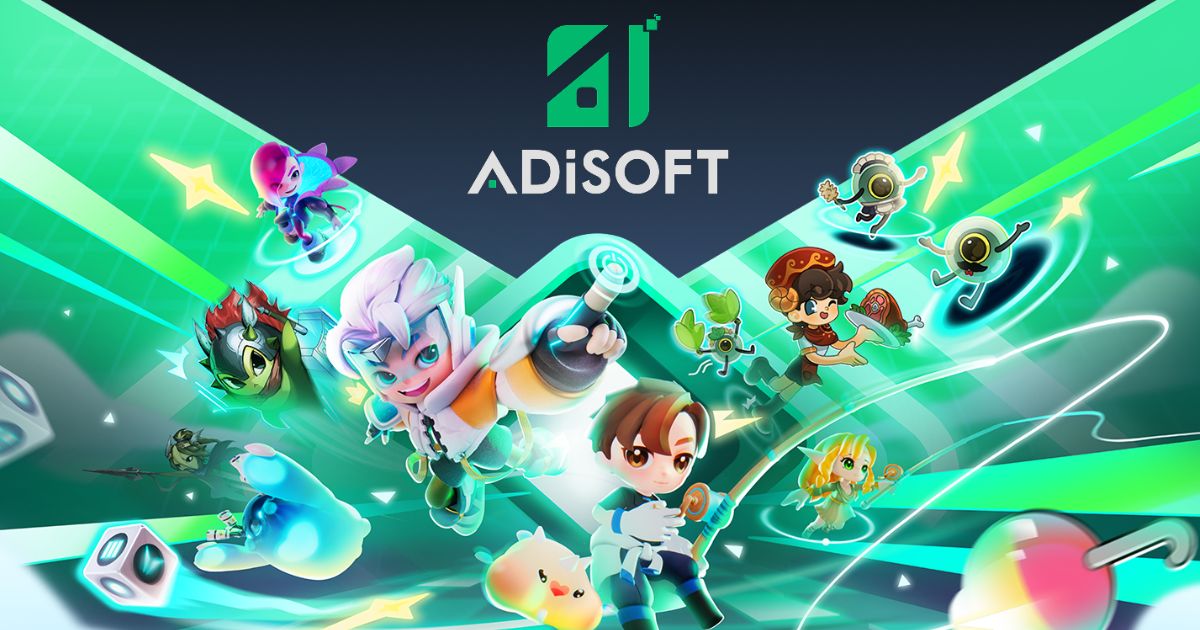
Game development is the process of creating video game software by combining art and engineering.
It includes concept design, system architecture, and programming to create interactive experiences across devices such as mobile, PC, and consoles.
Modern game development goes beyond building playable systems. It also involves IP management and strategic planning to ensure long-term success.
Key Components of Game Development
- Game Design
Defines rules, gameplay mechanics, and storytelling. - Programming
Uses coding languages and game engines to build both client-side and server-side systems. - Graphics & Art
Includes characters, environments, and UI/UX to establish visual identity and mood. - Sound & Music
Enhances immersion through sound effects (SFX) and background music (BGM). - Testing (QA)
Ensures quality, performance, and stability before release.
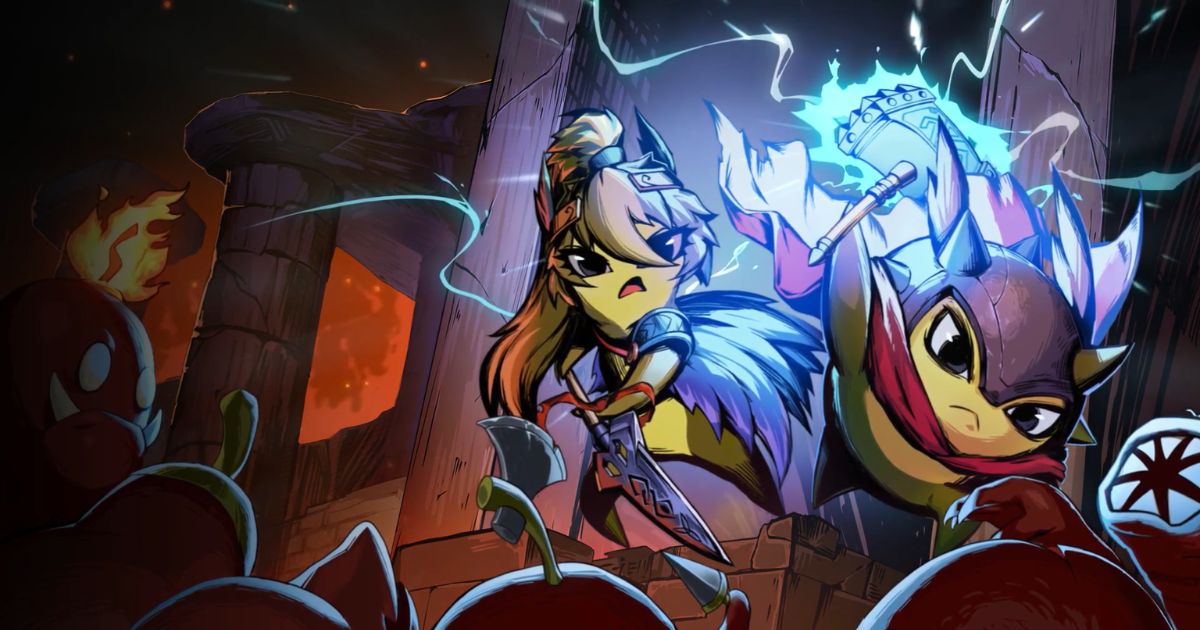
7 Stages of Game Development: From Idea to Launch
Turning an idea into a successful game requires a structured and scalable process.
1. Concept Creation
Define the game’s direction, target audience, and unique selling points.
For example, Adisoft designed Monster Campfire as a relaxing game to target casual players.
2. Planning (Game Design Document)
All details are compiled into a GDD, outlining mechanics, story, and monetization.
This ensures alignment across the entire team.
3. Prototyping
A small-scale version is built to test core gameplay. Focus is on fun and functionality—not visuals.
4. Production
The main development phase where programmers, artists, and designers collaborate to build the full game.
5. Testing (QA)
Identify bugs, optimize performance, and balance gameplay to ensure a smooth experience.
6. Launch
Release the game on platforms like App Store or Google Play, supported by marketing campaigns and stable server infrastructure.
7. Live Operations (Live Ops)
Post-launch updates, new content, and player feedback management help extend the game’s lifecycle and build a loyal community.
Opportunities in the Gaming Industry
The gaming industry has expanded beyond entertainment into a powerful strategic tool across multiple sectors.
Market Growth
The market is divided into Mobile, PC, and Console segments. Mobile gaming leads due to accessibility and convenience. Companies like Adisoft focus heavily on mobile platforms to match modern player behavior.
Business Opportunities
- Gamification: Using game mechanics to boost engagement and sales
- Corporate Training Games: Simulating real-world scenarios for better learning outcomes
Careers in Gaming
- Game Developer: Builds game systems and code
- Game Designer: Crafts gameplay and player experience
- Artist / Animator: Creates visuals and animations
- QA Tester: Ensures quality and performance
Conclusion
The modern gaming industry thrives on the fusion of creativity and technology, with game companies playing a central role from strategy and development to publishing and live operations. A structured development pipeline—from concept to long-term player support is essential for success in today’s competitive market.
As mobile gaming continues to grow and new business opportunities emerge, game development is no longer just about entertainment, it's about creating meaningful digital experiences. For those seeking high-quality games or potential business partnerships, companies like Adisoft offer end-to-end expertise in building original game IP, from concept design to advanced technical systems.
FAQ
What Is a Sandbox Game?
A sandbox game offers open-ended gameplay, allowing players to create and modify the game world freely without fixed objectives.
What Is a MOBA Game?
MOBA (Multiplayer Online Battle Arena) is a team-based strategy game where players compete to destroy the enemy base using unique characters.
What Is an RPG Game?
RPG (Role-Playing Game) lets players assume roles in a fictional world, progressing through storylines, leveling up, and collecting items.
What’s the Difference Between MMORPG and RPG?
RPG is typically single-player, while MMORPG supports massive online multiplayer interaction in a shared world.
What Is an MMO Game?
MMO (Massively Multiplayer Online) refers to games that support large numbers of players interacting in real time, across various genres.